
Docs · Projects
Table Relationships
Tables can be joined together using foreign keys. This is named "relational data" as the data is forming a relationship. This helps us to model our data in the most accurate way possible as more often than not, data in the real world is related.
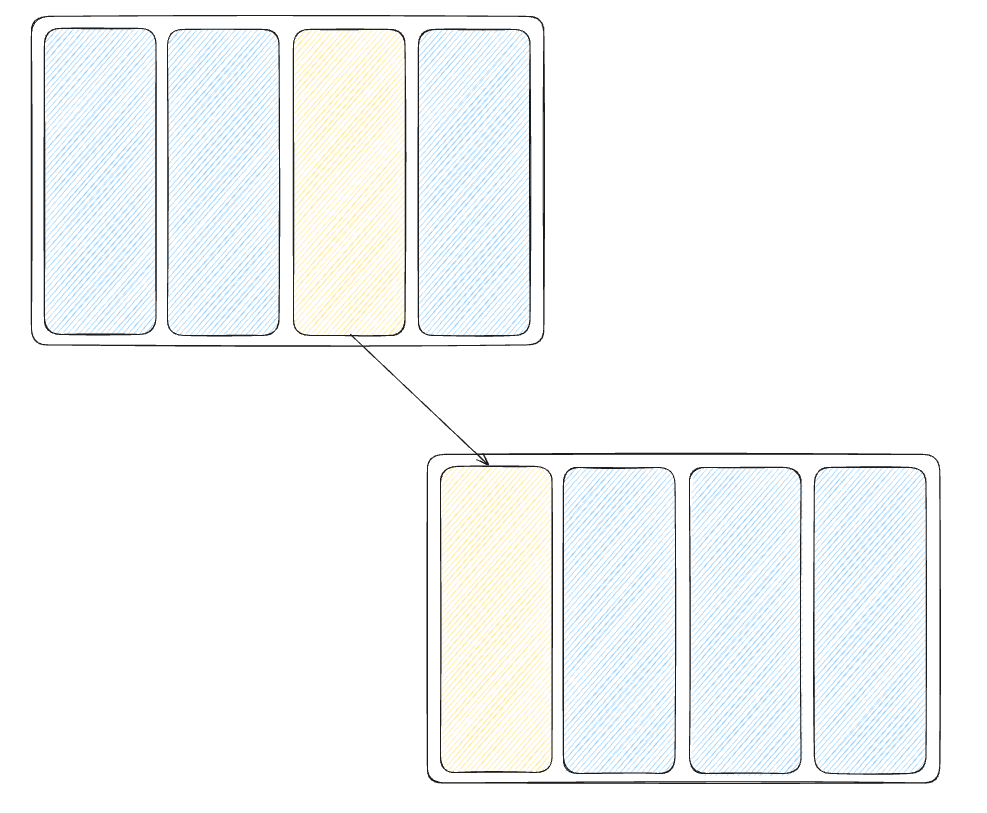
Types of Relationship
You can have two different kind of relationships between tables:
One to One
A 1-1 relationship means 1 row of data in Table A can relate to 1 row of data in Table B. For example, you might have a table of employees and a table of addresses and each employee only has one address.
One to Many
A 1-Many relationship means 1 row of data in Table A can relate to many rows of data in Table B. For example, you might have a table of managers and a table of employees and each manager might oversee many employees.
Benefits of Relational Data
Creating relationships between your data has several benefits such as:
Referential Integrity
Because a table must have valid references to it's related data at all times, it automatically prevents you from deleting a row of data that is relied upon by other tables.. This also allows you to make sure your data is accurate.
Better Ergonomics
Because the relationships between tables are predefined, Apps and Automation actions understand the structure of data and allow you to access related data without having to make separate queries to the related tables.
Less Redundancy
By allowing you to create relationships between your data, it will naturally lead to less replicated and redundant data in your tables. This is because instead of duplicating the same data when it is required by many tables, you can just have them all relate to the data they need.
Examples of Relational Data
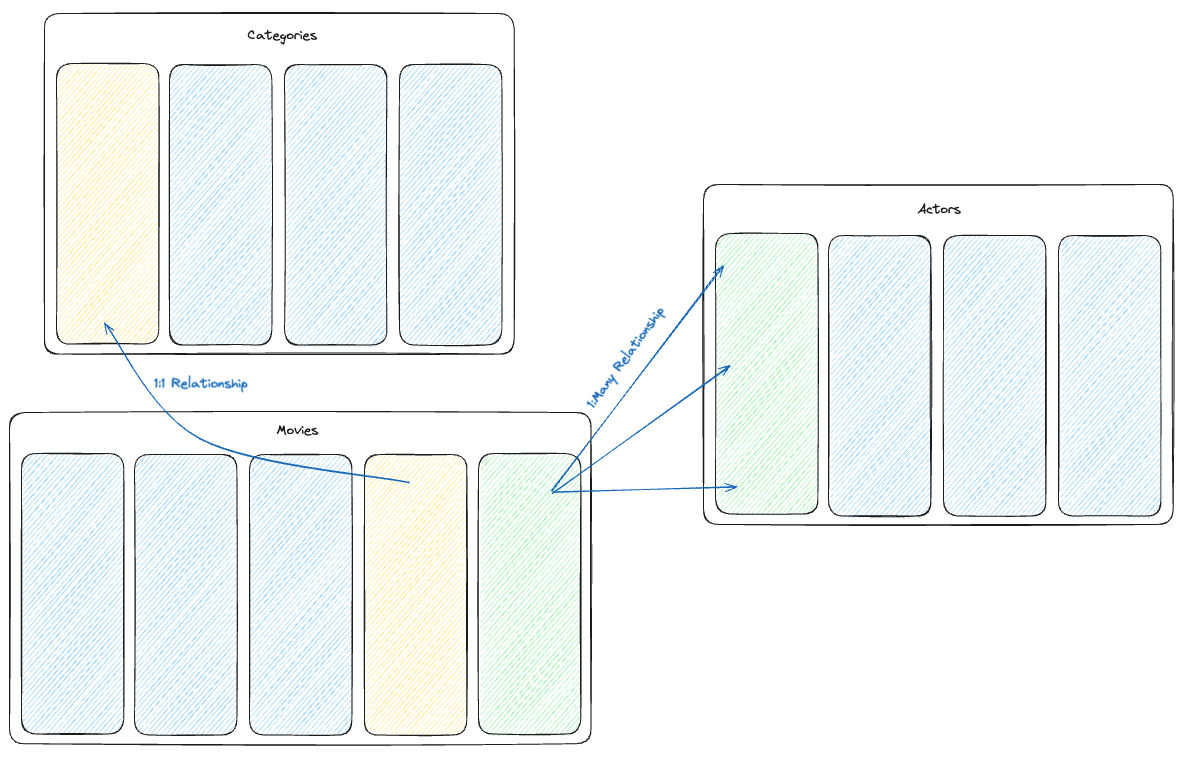
- You have a list of movies
- Each movie must relate to a category
- Each movie contains several actors
If you had a table of movies, a table of categories and a table of actors you might relate them as follows:
- Movies 1-1 Categories
- Movies 1-Many Actors
Read here to find out more about default values and read on to find out more about Row Level Permissions.